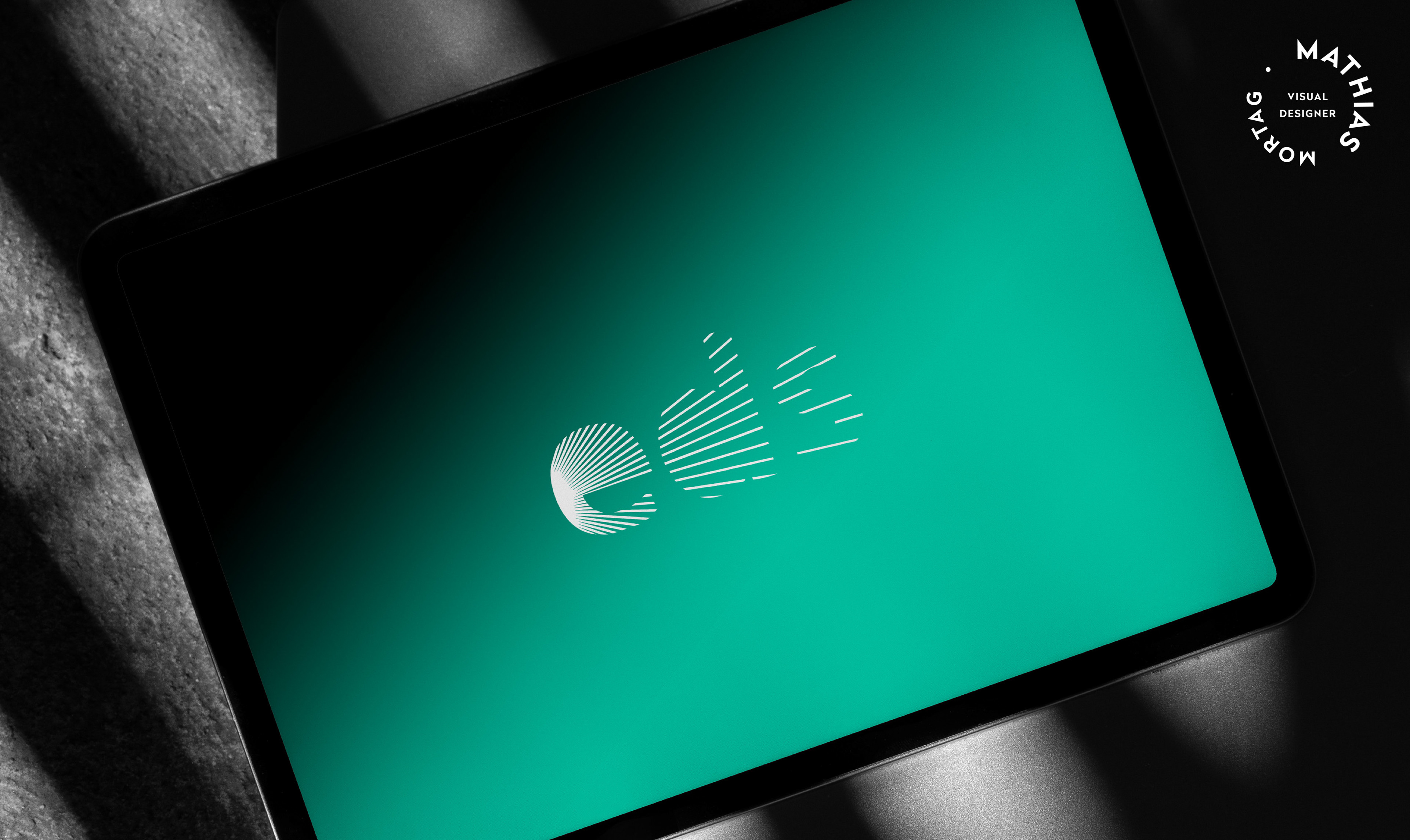
Logo type excamples Mathias Mortag

Logo type excamples

What Actually Makes a Good Logo?
Before you pick a style, you need to know what you’re aiming for. A good logo isn’t “pretty.” It’s effective. Here’s what that means in the real world.

Simple
Here’s a quick test: can someone who sees your logo once roughly sketch it from memory an hour later? If the answer is no, it’s too complicated.
Startups and SMEs don’t have millions to burn on brand awareness. Your logo needs to be sticky. That means no drop shadows, no five-colour gradients, no tiny details that vanish on a mobile screen. Simple doesn’t mean boring. It means prioritising clarity over clutter.

Timeless
Trend-chasing logos age like milk. Remember the 2010s wave of glossy, over-shaded “Web 2.0” logos? Neither do most people or if they do, they cringe.
IBM’s striped mark has worked for decades not because it’s trendy, but because it’s solid. For a cash-strapped startup, redesigning your logo every two years is a luxury you can’t afford. Build something that will still look sharp five or ten years from now.

Unique
Not “weird for the sake of weird.” Unique in the sense that it doesn’t look like a generic template from a $5 logo mill.
Your distinctiveness should come from strategic choices. The right shape, the right spacing, the right weight, not from throwing in an exclamation mark or a random splash of neon. Dieter Rams said it best: things made to be better are almost always different. Focus on better.

Flexible
Your logo will live everywhere. Website header. Pitch deck footer. Instagram avatar. LinkedIn banner. Business card. Maybe even a pen or a truck door.
If your logo only works in one colour on a white background, you’ve got a problem. Think about Coca-Cola: they’ve got versions for bottle labels, for billboards, for social media and you always know it’s them. That’s flexibility.
Five Things Your Logo Will Not Do (Read This Twice)
I’m saying this with love, because I’ve watched too many founders get disappointed.
1. It will not automatically sell more products. 
➔ A clear market strategy and a solid offer do that
2. It will not boost your social engagement. 
➔ Good storytelling and valuable content do that
3. It will not grab attention all by itself. 
➔ Smart positioning and brand strategy make people care
4. It will not make high-ticket clients call you. 
➔ A structured sales system does that
5. It will not scale your business. 
➔ Your operations, team, and business model do that
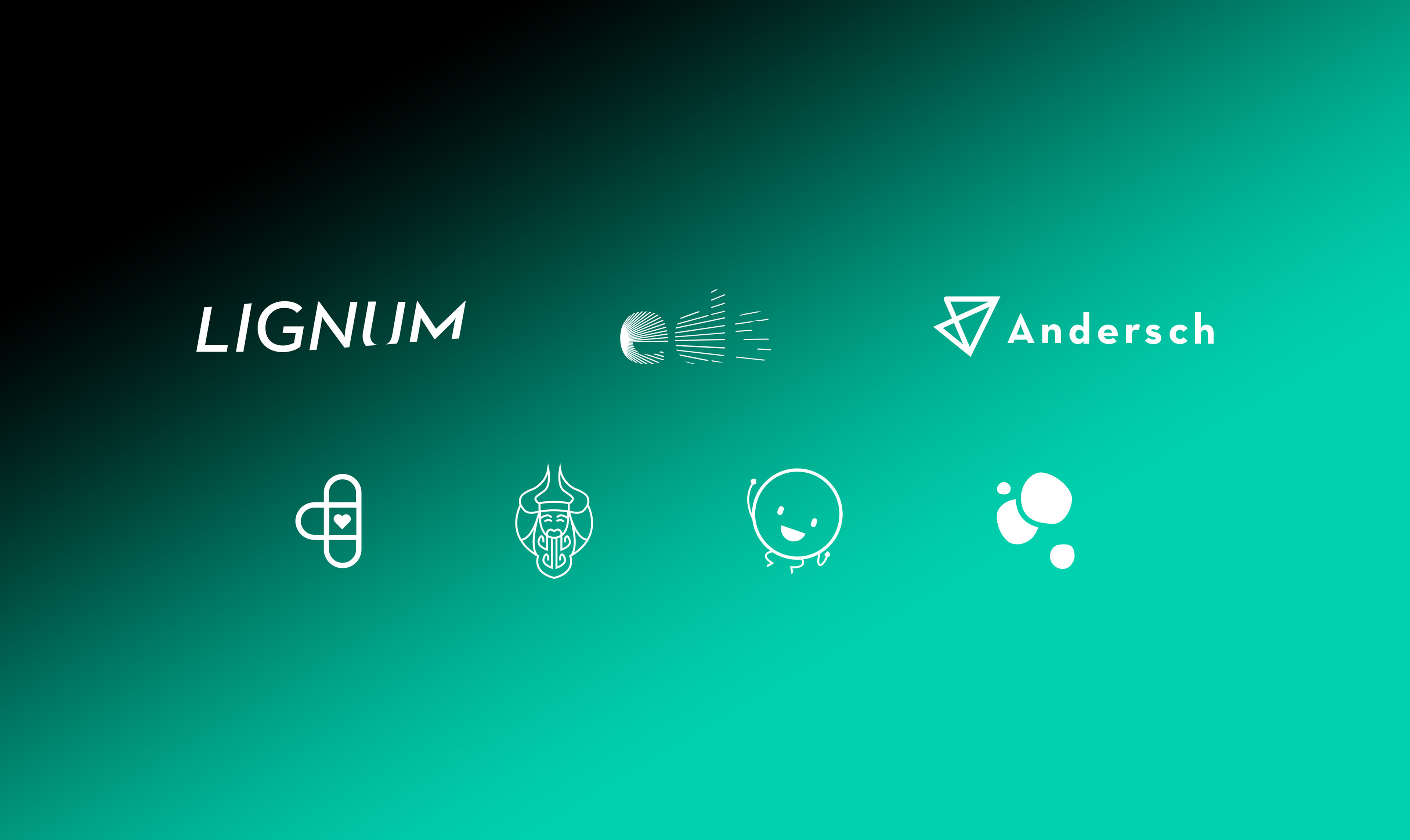
A logo supports your strategy. It never replaces it. Keep that in mind. Now let’s look at the actual logo types and which one actually makes sense for you.
The 7 Logo Types (And When to Use Them)
1. Monogram / Lettermark
Think: NASA, HBO, IBM. This is initials only. Great for companies with long, mouthful names. “Bartholomew & Sons Logistics” becomes “B&S” in a clean mark.
Best for startups & SMEs when:
•    Your full name is a tongue-twister or takes up too much space
•    You want a compact, professional look for apps and favicons

Watch out: Typography is everything here. A weak font makes you look amateur. Also, if you’re brand new, consider pairing your lettermark with the full name underneath—at least for the first year.
Lettermark logo example, initial based, great when the brand name is long Mathias Mortag

Lettermark logo example, initial based, great when the brand name is long

2. Wordmark (Logotype)
Think: Google, Visa, Coca-Cola. Just your company name, set in a distinctive typeface. No extra symbols.
Best for startups & SMEs when:
•    Your name is short, catchy, and easy to remember
•    You need people to learn your name fast (common for new brands)

The hidden power: Your font choice isn’t decoration, it’s strategy. A luxury consultancy might pick an elegant serif. A fintech startup might go for a clean, geometric sans-serif. That choice tells people who you are before they read a single word.
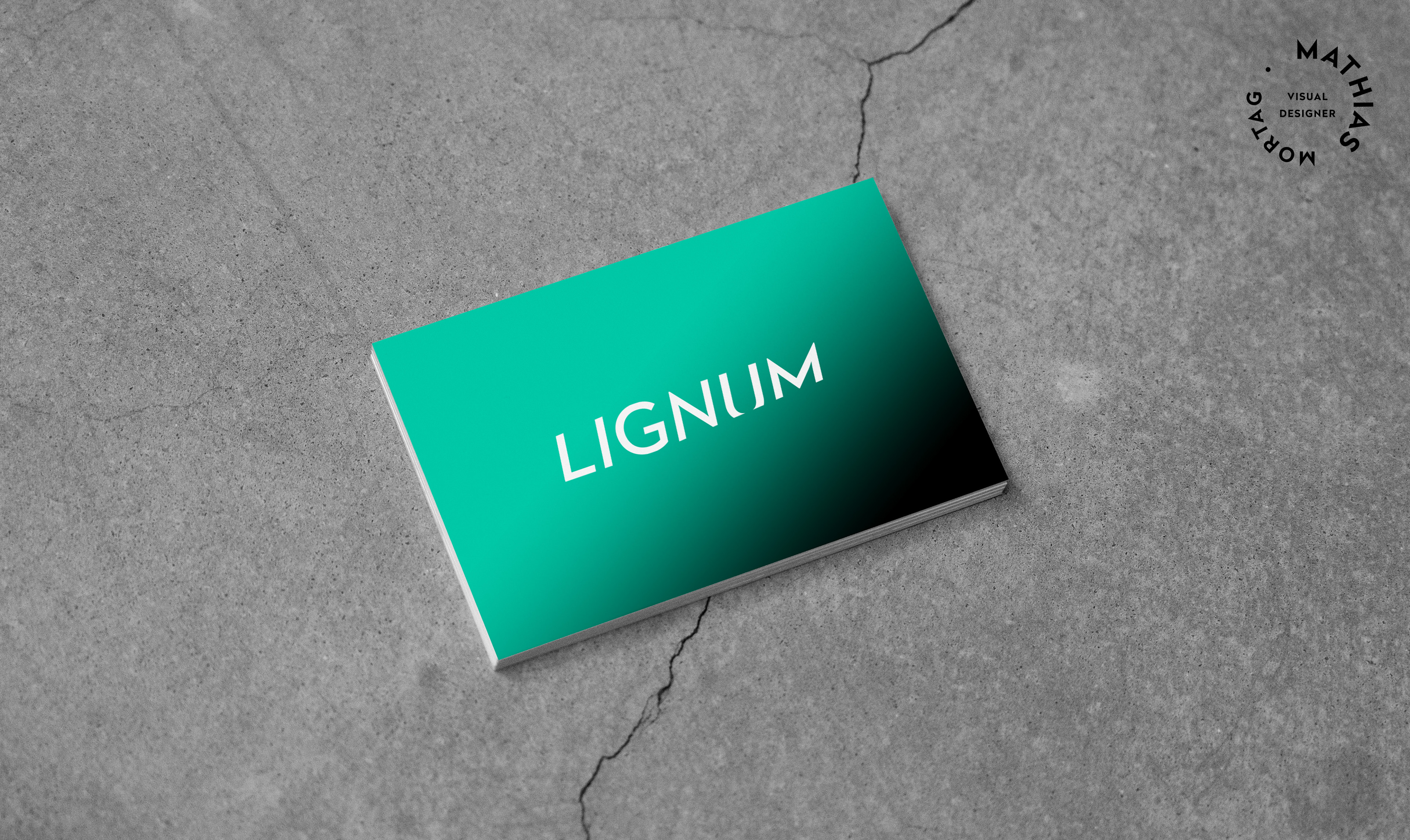
Wordmark logo example, clean, typographic, strong personality, best for brands whit unique names Mathias Mortag

Wordmark logo example, clean, typographic, strong personality, best for brands whit unique names

3. Pictorial Mark (Logo Symbol)
Think: Apple, Twitter, Target. A literal icon or graphic that represents your brand.
Best for startups & SMEs when:
•    You’re already somewhat established (people know your name)
•    You want a symbol that works across languages

The startup risk: If nobody knows you yet, a symbol on its own is just a pretty shape. That’s why Apple started with a wordmark and the apple together. Also think long-term: if your pictorial mark is a pizza slice, what happens when you expand to pasta?
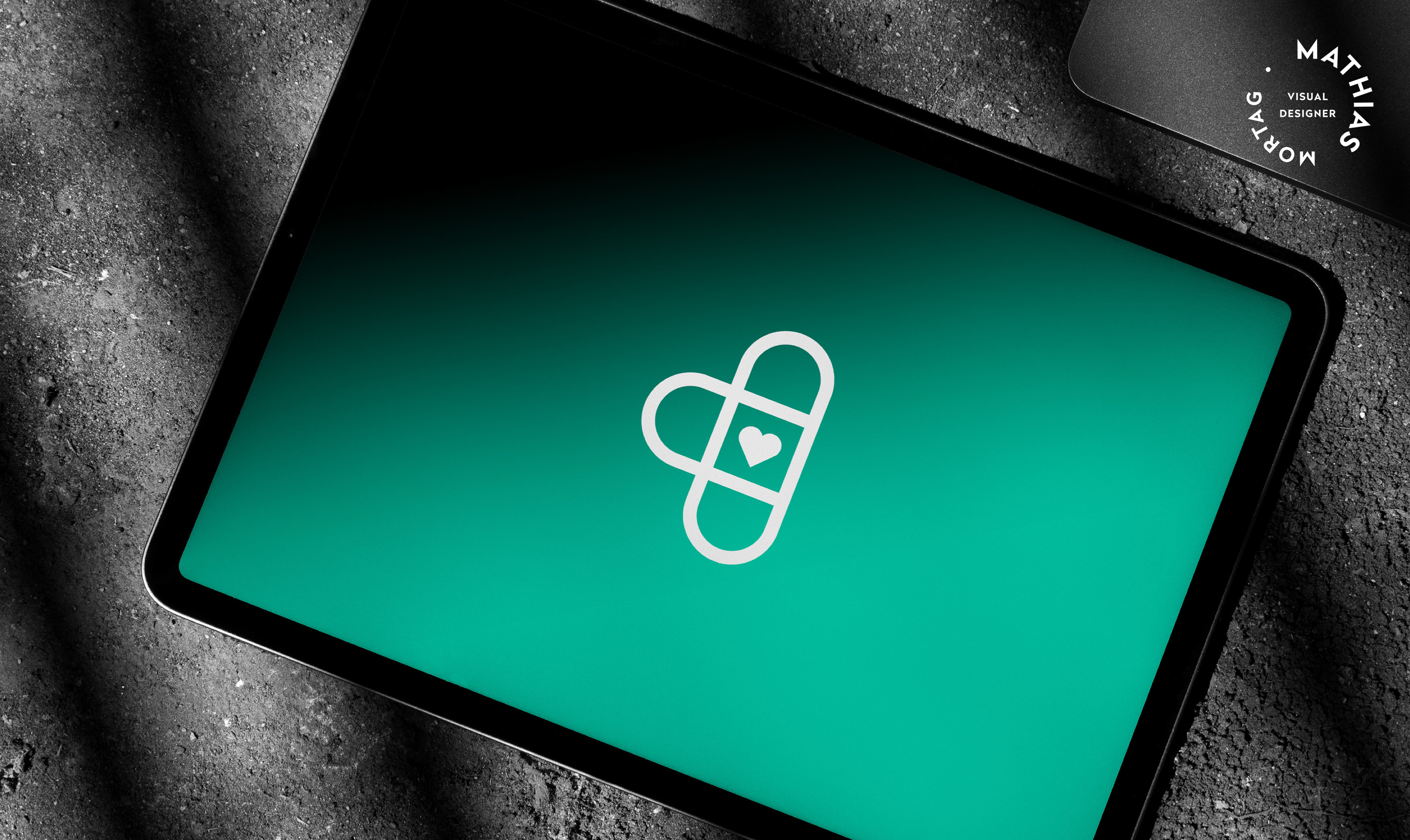
Pictorialmark logo example, a symbol only, image symbolizing the brand, best when brand recognition is already strong Mathias Mortag

Pictorialmark logo example, a symbol only, image symbolizing the brand, best when brand recognition is already strong

4. Combination Mark
Think: Burger King, Lacoste, Adidas. A symbol (pictorial or abstract) paired with your name in text form.
Best for startups & SMEs when:
•    Almost always. This is the smartest starting point for most growing businesses
•    People learn your name and recognise your symbol at the same time
•    You can eventually separate the two (use the symbol alone on an app icon, the wordmark alone on a document header)
•    It’s flexible, safe, and scalable
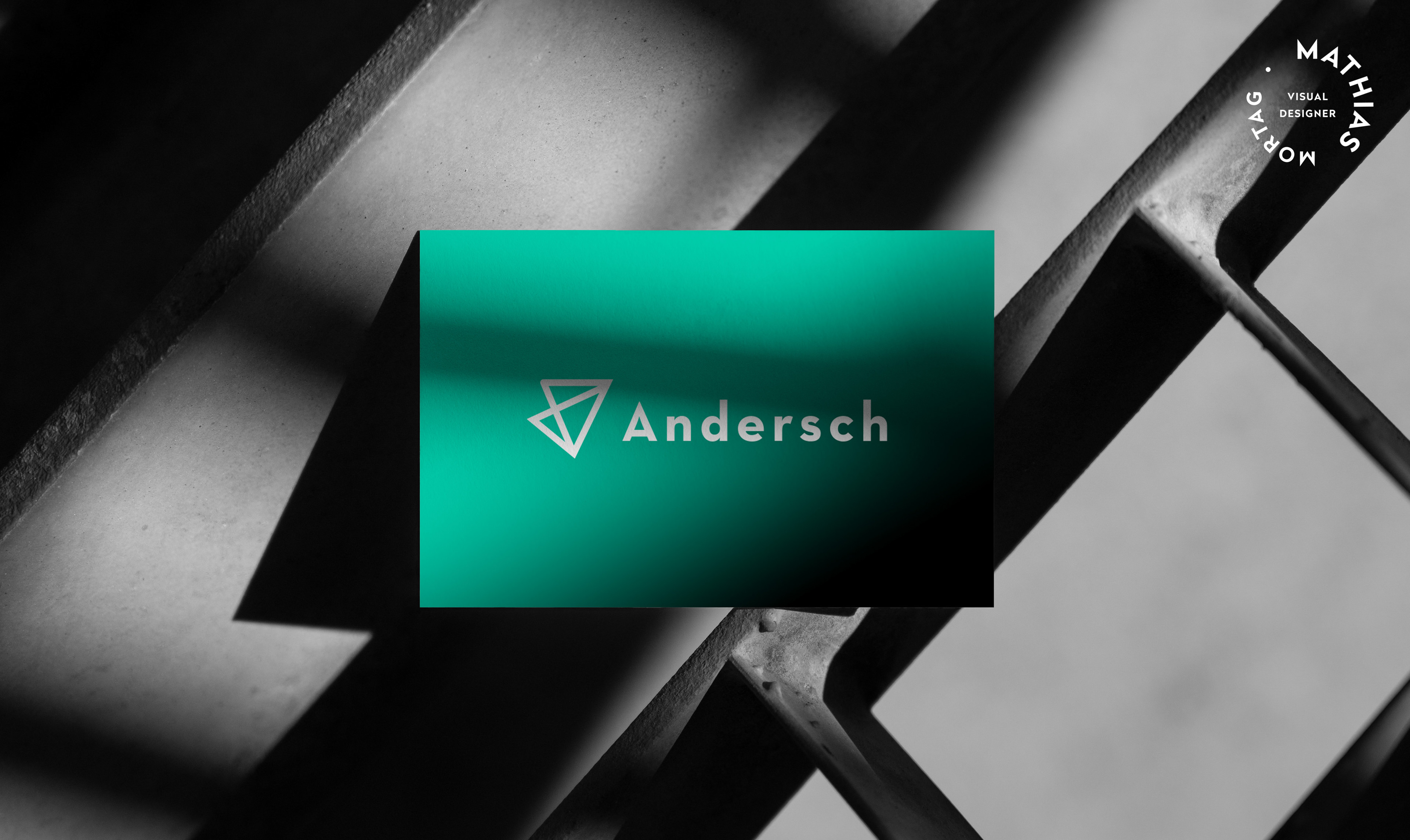
For 80% of the startups and SMEs I work with, a clean combination mark is the answer.
Combinationmark logo example, symbol and text together, most flexible and commonly used, strong for growing brands Mathias Mortag

Combinationmark logo example, symbol and text together, most flexible and commonly used, strong for growing brands

5. Mascot
Think: KFC’s Colonel, Planters’ Mr. Peanut, Michelin’s Bibendum. An illustrated character that becomes the face of your brand.
Best for startups & SMEs when:
•    You’re targeting families, kids, or a playful audience
•    You want something that shines on social media and merchandise

The downside: Detail-heavy mascots don’t always scale well. That charming illustration might turn into an unreadable blob on a mobile notification or an embroidered polo shirt. Use with caution.
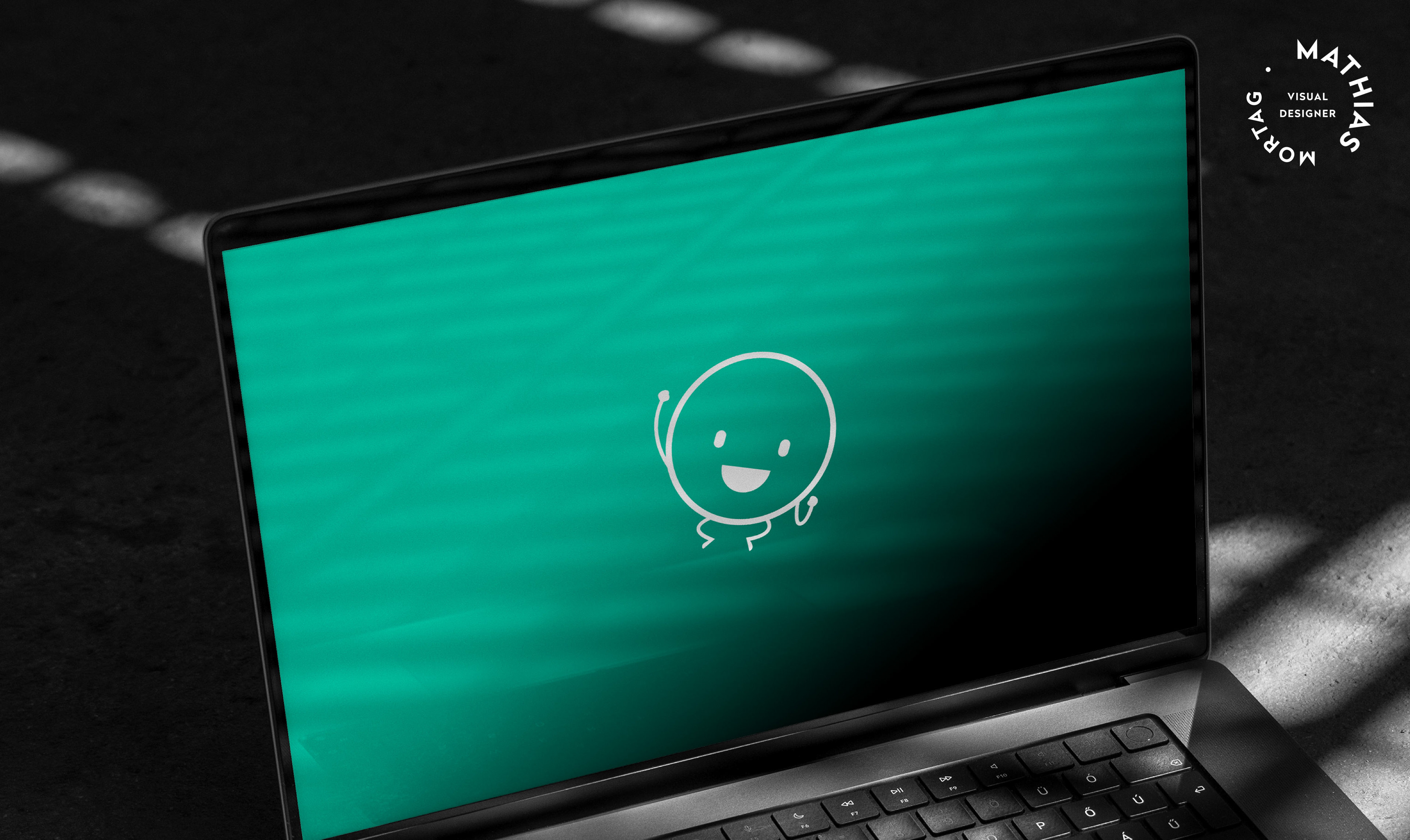
Mascot logo example, character-based logo, fun, friendly, memorable, works best for targeting families & communities Mathias Mortag

Mascot logo example, character-based logo, fun, friendly, memorable, works best for targeting families & communities

6. Emblem
Think: Starbucks, Harley-Davidson, most university crests. Text locked inside a badge, crest, or seal.
Best for startups & SMEs when:
•    You’re in a traditional industry (law, heritage food, craft spirits, education)
•    You want that classic, established feel
Be careful: Emblems can get too intricate. That beautiful detail in your crest might disappear when you shrink it down for a website footer. If you go this route, keep it clean and test it at 32x32 pixels.
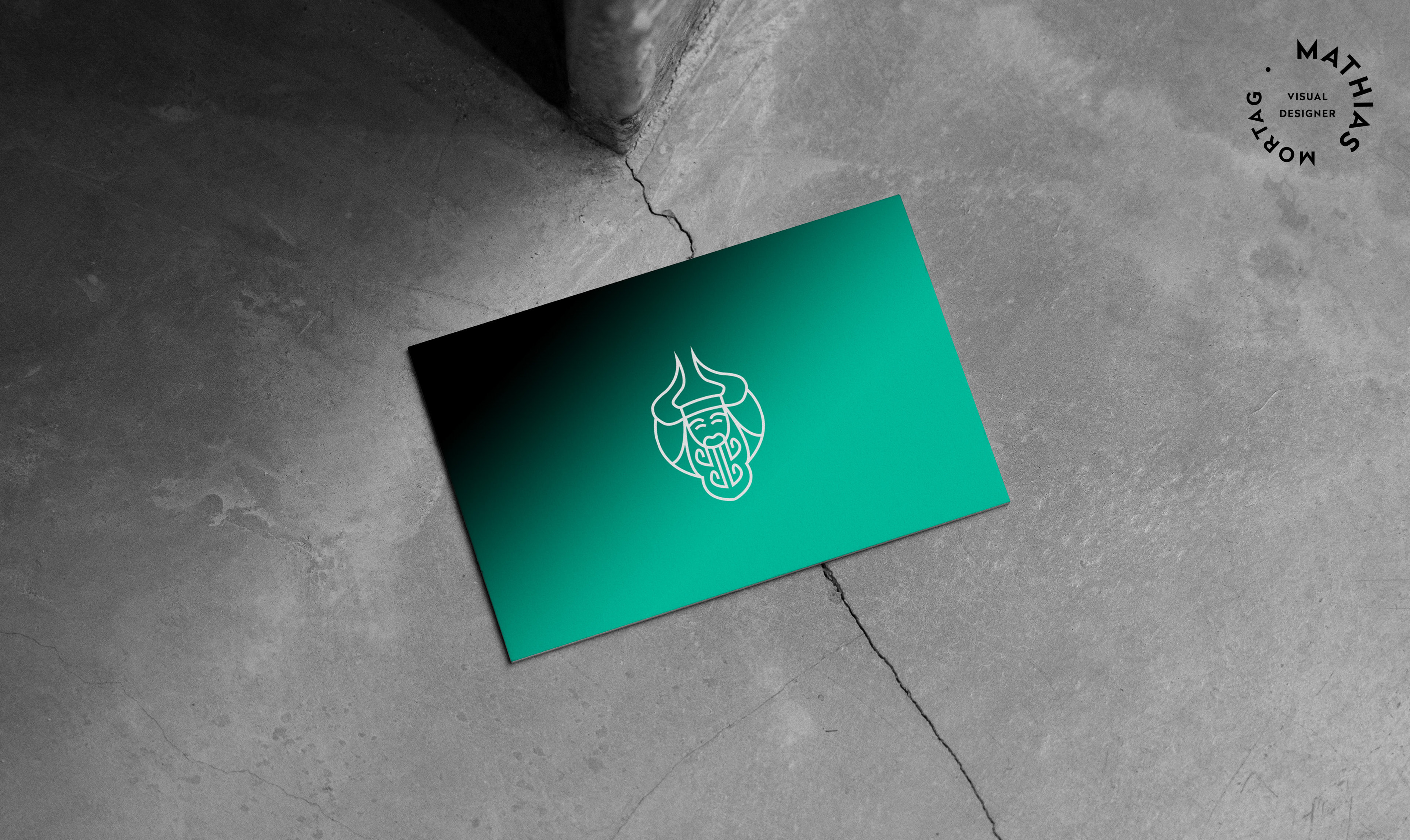
Emblem logo example, feels classic and authoritative, works best for institutions and heritage brands Mathias Mortag

Emblem logo example, feels classic and authoritative, works best for institutions and heritage brands

7. Abstract Mark
Think: Nike, Pepsi, BP. A geometric, non-literal symbol that doesn’t represent any real object.
Best for startups & SMEs when:
•    You want a completely unique shape that can’t be confused with anything else
•    You’re building emotional meaning through form and colour

Reality check: Abstract marks require serious design thinking. Shape, proportion, negative space, colour psychology it all matters. This is not a DIY project.
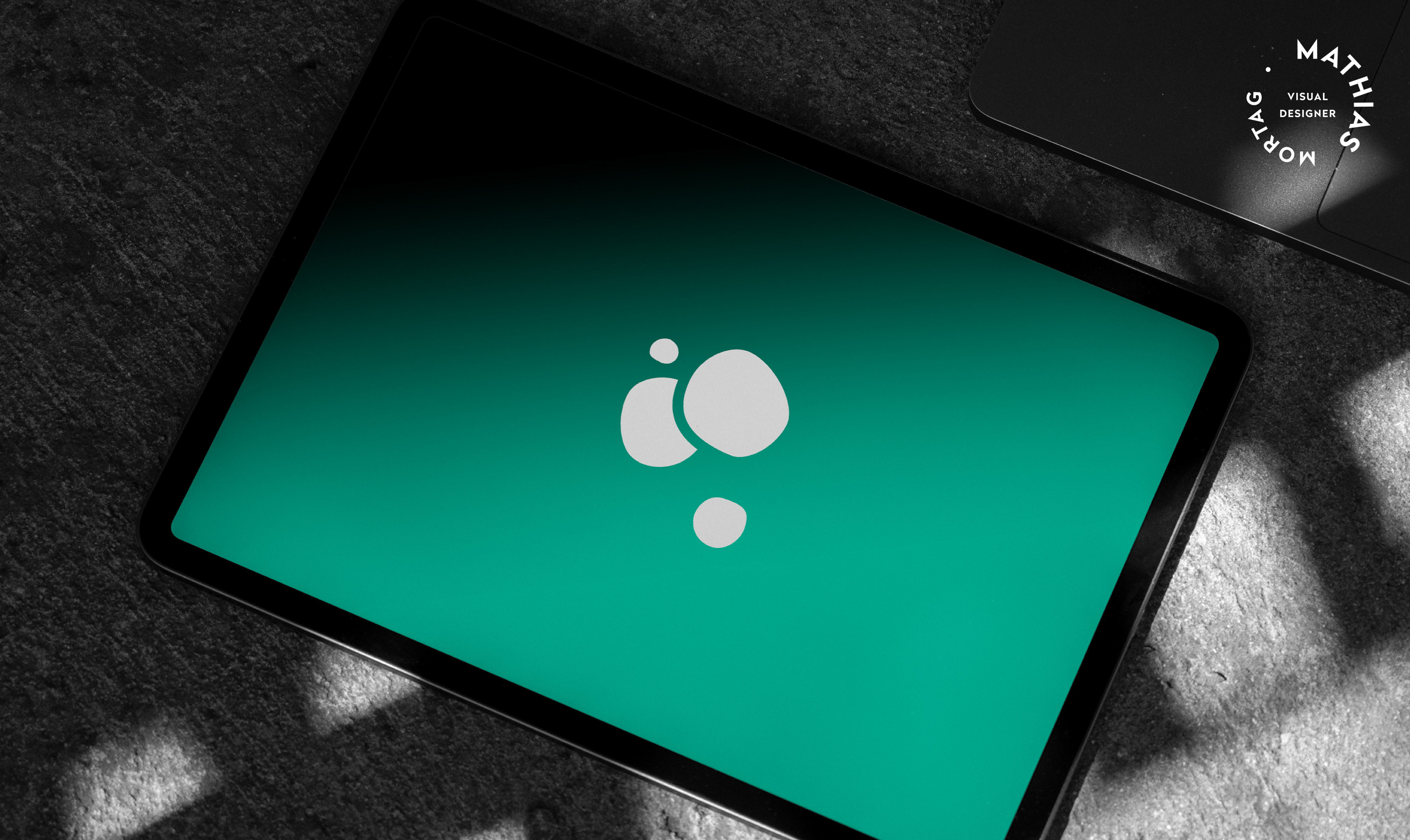
Abstract logo example, unique geometric or conceptual, modern, scalable, distinct, works best for brands wanting a unique identity Mathias Mortag
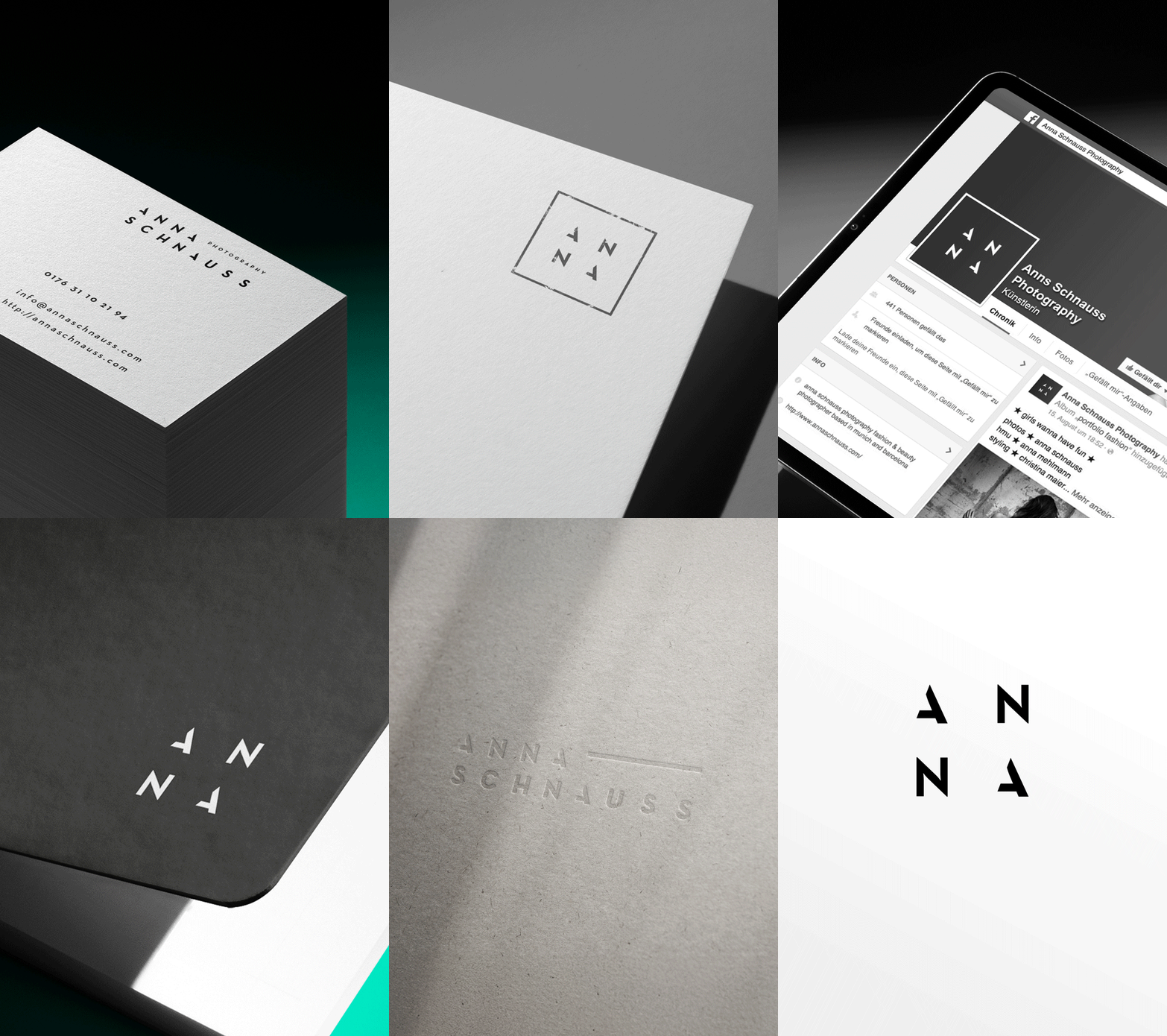
Abstract logo example, unique geometric or conceptual, modern, scalable, distinct, works best for brands wanting a unique identity
So… Which One Should You Pick?
If you’re a brand-new startup or a small business without a massive marketing budget, my honest advice is this:
Start with a clean combination mark or a wordmark.
Why? Because people need to learn your name first. Save the abstract symbol or standalone mascot for when you’ve got brand recognition in the bank.
And whatever you do, don’t let a designer talk you into a trendy, hyper-complicated mark just because it looks cool in a Behance portfolio. Your logo has to work for your business, not for design awards.
One Final Thought
Your logo is a tool. A very useful one, when chosen wisely. But it’s never the hero of your story. Your product, your service, and your customer relationships are.
That said, a poorly chosen logo can quietly hold you back. It makes you look less serious. It confuses people. It doesn’t scale. And over time, that friction adds up.
If you’re reading this and wondering whether your current logo is helping or hurting. I’m genuinely happy to take a quick, honest look. No hard sell. Just a seasoned designer’s perspective.
Sometimes the right logo type is all it takes to make everything else feel just a little bit easier.
Have a logo that’s not quite working? Or still deciding between types? Drop me a line. I’ll give you my straight-up opinion.

You may also like

Back to Top